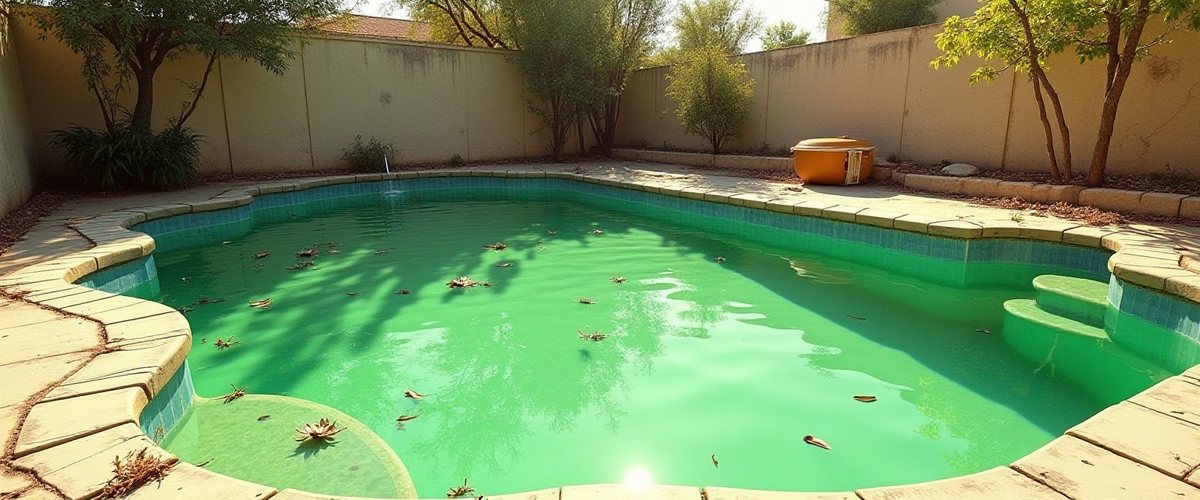
Weekly service that keeps your pool swimmable year round — in the hardest water in Arizona. Skimming, brushing, vacuuming, chemistry, equipment checks. Call any time and you will be put through to a local pool company.
Every visit follows the same routine, in the same order, so nothing gets skipped. The technician skims the surface, empties the skimmer basket and the pump basket, brushes the walls, steps, and waterline tile, and vacuums the floor. Then he tests the water — free chlorine, pH, alkalinity, cyanuric acid, and calcium hardness — and adjusts whatever needs adjusting. He checks the filter pressure gauge, inspects the pump and any other visible equipment, and logs what he found and what he dosed.
The whole visit takes 20 to 40 minutes depending on the pool's size and condition. If something is wrong — a pump bearing going, a filter pressure climbing, a salt cell reading low — you hear about it the same day, not after it has turned into a bigger problem.
Weekly chemistry testing in Phoenix — where calcium can run three to four times what equipment manufacturers recommend.
Why Weekly Matters More in Phoenix
A pool in Seattle can go two weeks between cleanings and stay reasonable. A pool in Phoenix cannot, and the reason is that this city hits pools harder than almost any other metro in the country.
The water
Phoenix tap water runs 300 to 900 parts per million calcium hardness depending on where in the Valley you are. The Colorado River and Salt River sources that feed the city carry mineral loads that are among the highest of any municipal supply in the United States. That calcium concentrates every day as the sun evaporates water off the surface, and it deposits on everything — tile, heater cores, salt cells, filter grids, and the inside of the pump. Weekly testing is the only way to track it and adjust before the saturation index tips into scaling territory.
The heat
Phoenix averages 107 days above 100 degrees and regularly breaks 115 in June and July. Water temperatures climb past 90, which doubles chlorine demand — the chlorine the pool needs to stay sanitized burns off faster in hot water. Without weekly dosing, a pool that tested fine on Monday can test zero chlorine by Thursday and show the first signs of algae by Saturday.
The dust
Desert dust is a daily fact, and monsoon season from mid-June through September makes it worse. A haboob can deposit enough fine particulate to cloud a pool overnight and load the filter in one pass. Weekly brushing and vacuuming keep that dust off the plaster before it stains, and weekly basket emptying keeps the skimmer flowing instead of choking.
Monsoon Season
Mid-June to the end of September is the hardest stretch of the year for pool maintenance in Phoenix. Storms hit fast, dump dust and organic debris, and raise humidity that feeds algae. Water temperature peaks, chlorine demand peaks, and the pool needs more attention than any other three-month window.
During monsoon season a good pool service increases chemical dosing and spends more time on debris removal. If a storm hits between your regular visits and you wake up to green water or a pool full of leaves, ask whether an extra clean-up visit is included in your plan. On most service plans that extra visit is included — you should not have to pay twice because the weather was bad.
Monsoon dust storms can load a Phoenix pool with fine particulate in minutes — weekly service keeps it from settling into the plaster.
Chemicals Are Included
Chlorine tablets, liquid chlorine, muriatic acid, stabilizer, and anything else your pool needs on a routine basis are part of the monthly price. You see one number on your bill every month — no line items for a jug of acid or a bucket of tabs. The only exception is a large one-time treatment like a full algae cleanout or a calcium drain-and-refill, which is quoted separately before any work.
In Phoenix, where hard water forces higher chemical usage than in softer-water cities, the included-chemicals model matters more. You are not guessing how much acid you will need this month or whether stabilizer prices went up. The price is the price.
Salt Water Pools
Salt pools still need weekly service. The salt cell generates chlorine, but it does not brush the walls, skim the surface, balance pH, or manage calcium. A good pool service inspects the cell every visit for scale buildup and cleans it when output drops. In Phoenix's hard water, salt cells scale faster than the manufacturer's timeline — a cell rated for five years may last two to three without regular descaling. Weekly inspection and cleaning extends the cell's life and saves you from a $1,200 replacement sooner than it should have come.
One-Time Deep Cleaning
If your pool has been sitting — a rental property between tenants, a house you just bought, a snowbird home reopening for the season — a good pool service does one-time deep cleans to bring it back. Full debris removal, filter teardown, chemistry overhaul, brushing and vacuuming until the water clears, and a written report of anything that needs repair. You can stay on weekly service after or not.
Across the Valley
Calls are taken from pools across the Phoenix metro — central Phoenix, North Phoenix, Scottsdale, Mesa, Gilbert, Chandler, Glendale, Peoria, and Surprise. Call with your address and pool size, and you will be put through to a local pool company that can quote a monthly price.
Pool Cleaning Questions
What is included in weekly pool cleaning in Phoenix?
Every visit includes skimming the surface, brushing walls and the tile line, vacuuming the floor, emptying skimmer and pump baskets, testing and adjusting water chemistry (chlorine, pH, alkalinity, cyanuric acid, calcium hardness), checking filter pressure, and inspecting visible equipment. Ask whether routine chemicals are included in the monthly price.
How often should a Phoenix pool be cleaned?
Weekly. Phoenix water is the hardest in Arizona — 300 to 900 ppm calcium — and pools here run year round. Chemistry drifts faster, equipment scales faster, and chlorine burns off faster in summer heat than in milder climates. Weekly is the minimum that keeps a pool consistently swimmable without emergency cleanouts.
Are chemicals included in the monthly price?
It depends on the company. Many pool services include routine chemicals such as chlorine, acid and stabilizer in the monthly price, while others bill them separately. Ask on the call and get the answer in writing. The only exception is a large one-time treatment like an algae cleanout or a full drain-and-refill, which is quoted separately before doing.
What happens during monsoon season?
Monsoon storms dump dust, leaves, and debris into the pool and can turn water green within 48 hours. During monsoon season — mid-June through September — a good pool service increases chemical dosing and spends more time on debris removal. If a storm hits between visits and you wake up to a green pool, ask whether an extra clean-up visit is included in your plan.
Do you service salt water pools?
Yes. Salt pools still need weekly brushing, chemistry testing, and equipment checks. A good pool service inspects the salt cell every visit for calcium scale and cleans it when output drops. In Phoenix's hard water, salt cells scale faster than the manufacturer's timeline suggests — regular inspection extends cell life and saves you from a premature replacement.
Ready for a Pool That Stays Clean?
Call with your address and pool size. Ask what the monthly price includes.