
Pool Pump Repair in Phoenix, AZ
Motor swaps, seal leaks, impeller clogs, and variable-speed upgrades — diagnosed on site and fixed the same visit when parts allow. Pentair, Hayward and Jandy parts are widely stocked.
Call (623) 240-0428
Motor swaps, seal leaks, impeller clogs, and variable-speed upgrades — diagnosed on site and fixed the same visit when parts allow. Pentair, Hayward and Jandy parts are widely stocked.
Call (623) 240-0428A pool pump motor rated for eight to ten years in a mild climate may last five to seven in Phoenix. Three things accelerate the wear. First, the water — 300 to 900 ppm calcium hardness deposits scale inside the pump housing, narrows the impeller passages, and forces the motor to work harder to push the same volume. Second, the heat — ambient temperatures above 115 degrees in summer push motor windings closer to their thermal limit, especially on equipment pads with no shade. Third, the runtime — pools here operate year round, which means twelve months of continuous duty instead of the seven or eight months a pump would see in a seasonal climate.
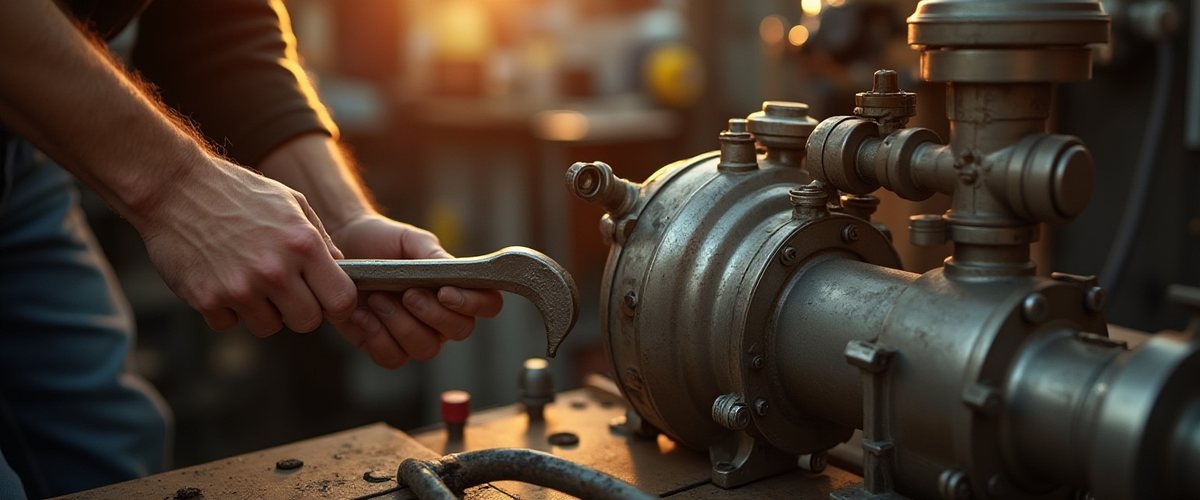
Worn motor bearings. The sound starts faint and gets louder over weeks. A bearing replacement or motor swap at this stage costs $250 to $500. Wait until the motor seizes and you are looking at a full pump replacement — $1,200 to $1,800 for a variable-speed unit.
Usually a clogged impeller — calcium flakes, pebbles, or debris caught in the vanes. Sometimes it is a cracked impeller. A good pool service pulls the housing, clear the obstruction or replaces the impeller, and reassemble. If the impeller is calcium-scaled, a good pool service descales it and checks for wear.
Air in the suction line. The cause is usually a failed shaft seal, a loose pump lid o-ring, or a cracked fitting on the suction plumbing. A good pool service pressure-tests, find the entry point, and seal it.
A failing start capacitor or a locked rotor. Capacitors are a quick, inexpensive swap. A locked rotor means the motor has seized — usually from bearing failure or calcium binding — and needs replacement.
If the motor is the only problem and the pump body, impeller, and diffuser are in good shape, a motor swap is the right call. It costs roughly half of a full pump replacement and adds several more years of life. Pentair, Hayward and Jandy motors are common, and a motor swap can often be finished in a single visit.
If the motor repair costs more than half the price of a new variable-speed pump, a good pool service will tell you. A variable-speed unit runs at lower speeds for daily circulation and ramps up only when needed — vacuuming, running the spa, backwashing. The energy savings are 60 to 80 percent compared to a single-speed, and in Phoenix's year-round season, that difference shows up on every electric bill. Arizona also requires variable-speed pumps on new construction and certain replacements under the Department of Energy's 2021 rule.
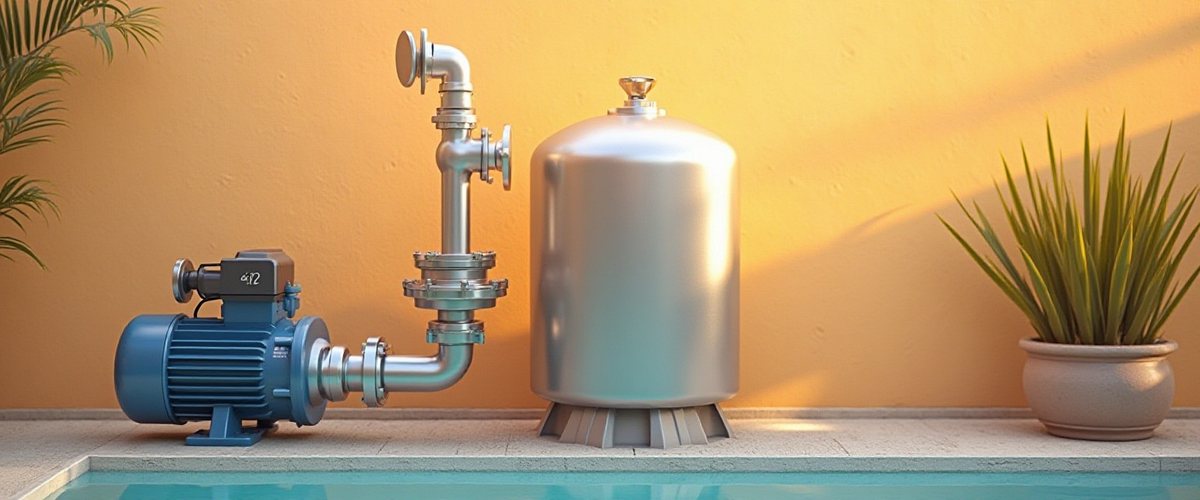
Call and describe the noise or the symptom. A good pool service will tell you what it likely is before a good pool service comes out. The technician diagnoses on site, shows you what he found, and gives you a price. If the repair can be done that visit, it gets done. If a specialty part needs to be ordered, a good pool service tells you the lead time and comes back. Motor cost and labor cost are separate numbers — no bundled markup.
A good pool service repairs pool pumps across the Phoenix metro — central Phoenix, North Phoenix, Scottsdale, Mesa, Gilbert, Chandler, Glendale, Peoria, and Surprise.
A motor-only swap on a single-speed pump runs $250 to $500 installed. If the pump body is in good shape and only the motor has failed, a swap is the most cost-effective repair and adds several more years to the pump's life.
If the motor repair costs more than half the price of a new variable-speed pump, replacing makes more sense. A variable-speed unit cuts energy costs by 60 to 80 percent, and in Phoenix's year-round pool season, the monthly savings are substantial.
The most common cause is worn bearings — a grinding or screeching sound that gets louder over time. Other causes include a clogged impeller, air in the suction line, or a failing capacitor. Call and describe the sound — a good pool service can usually narrow it down before a good pool service comes out.
A quality single-speed pump motor typically lasts 5 to 8 years in Phoenix. Hard water, year-round operation, and extreme summer heat all accelerate wear. Variable-speed motors tend to last longer because they run at lower speeds most of the time.
Yes. Pentair, Hayward and Jandy motors, seals and common parts are widely stocked. Most motor swaps can be completed in a single visit.
Call and describe it. A good pool service will tell you what it likely is, come diagnose on site, and give you a price before touching anything.
Call (623) 240-0428